
brp_del_th:null;
brp_del_sen:null;
delta:null;
module: photo;hw-remosaic: false;touch: (0.99375, 0.65833336);sceneMode: 2097152;cct_value: 0;AI_Scene: (-1, -1);aec_lux: 0.0;aec_lux_index: 0;albedo: ;confidence: ;motionLevel: -1;weatherinfo: null;temperature: 20;
brp_del_th:null;
brp_del_sen:null;
delta:null;
module: photo;hw-remosaic: false;touch: (-1.0, -1.0);sceneMode: 2097152;cct_value: 0;AI_Scene: (-1, -1);aec_lux: 0.0;aec_lux_index: 0;albedo: ;confidence: ;motionLevel: -1;weatherinfo: null;temperature: 20;
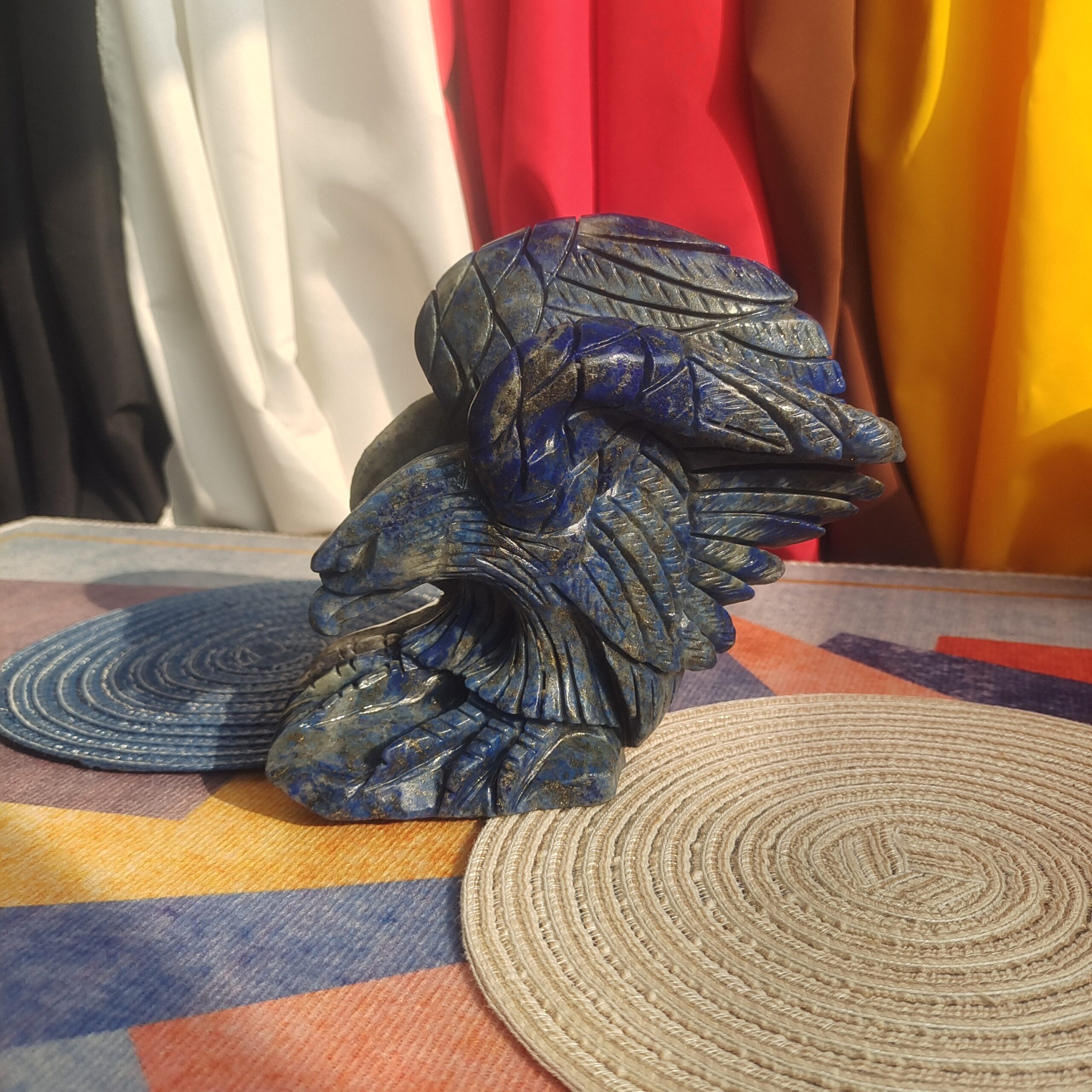
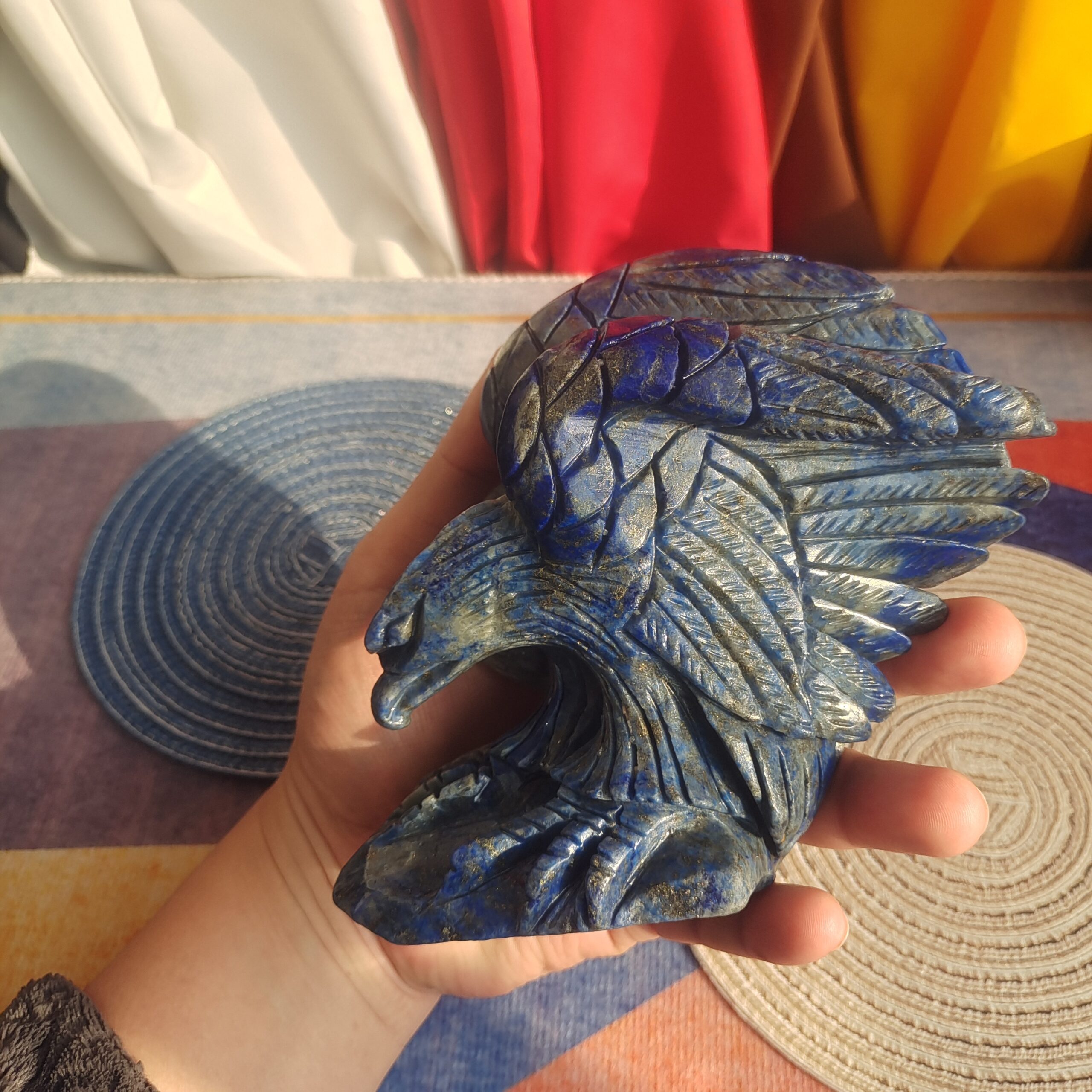
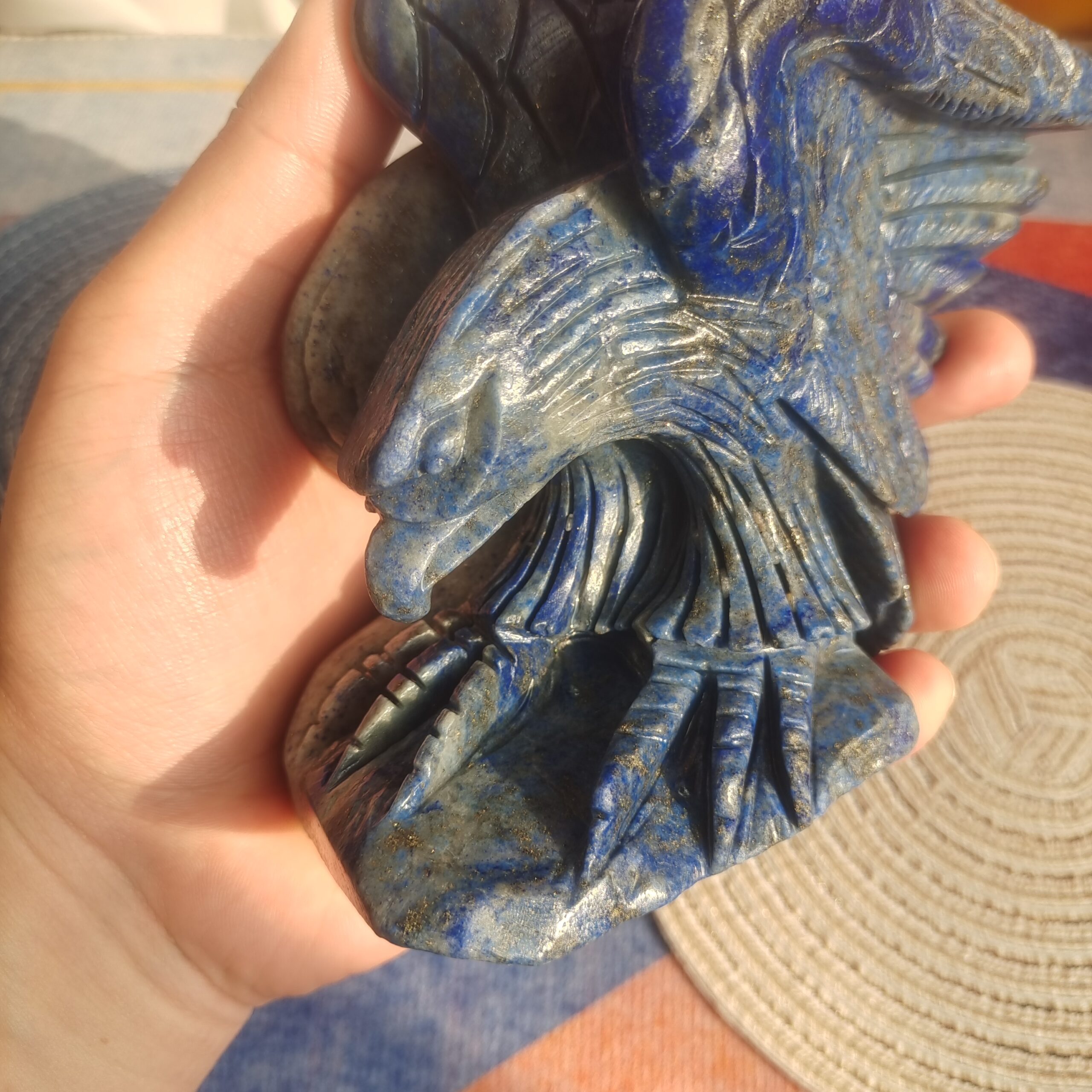
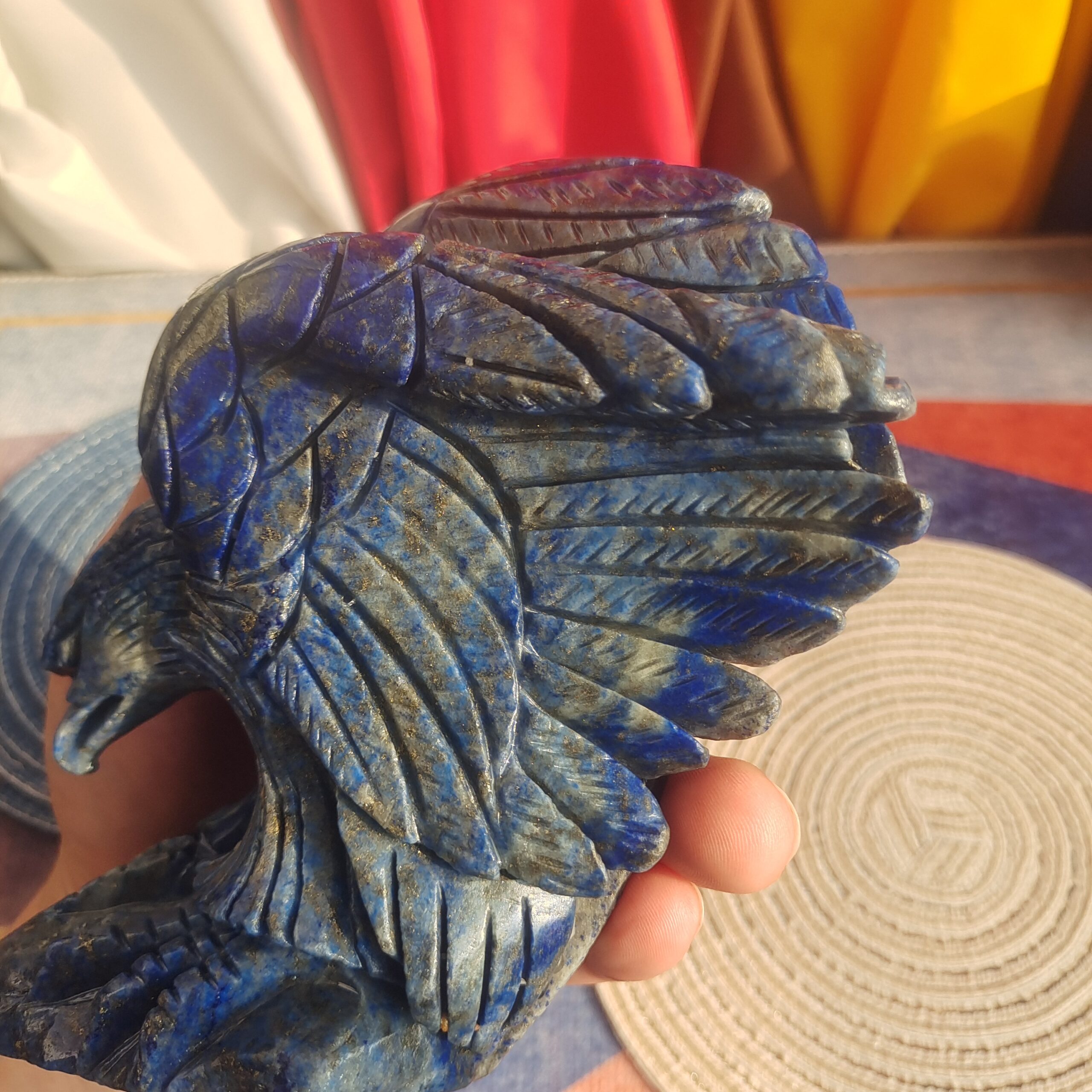
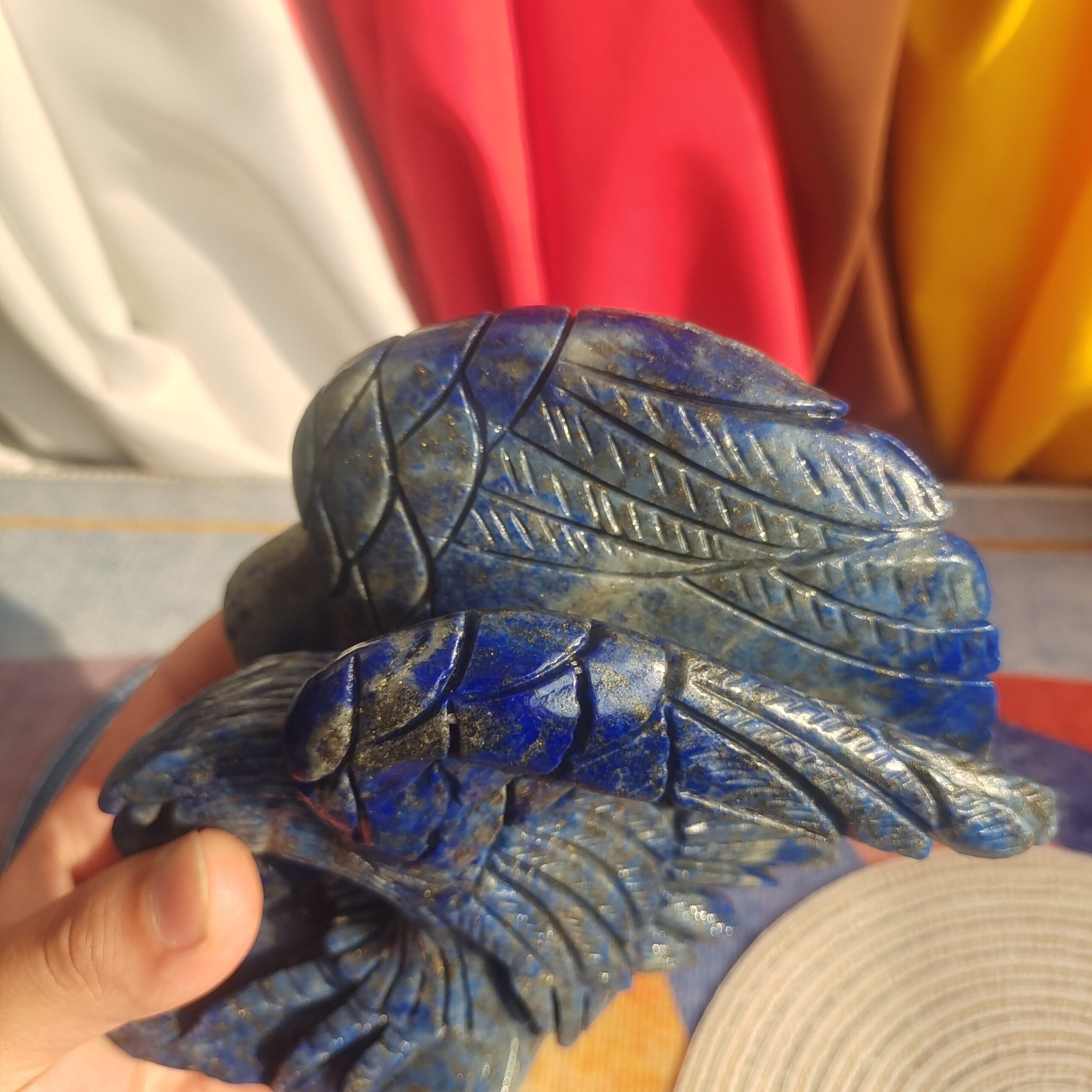
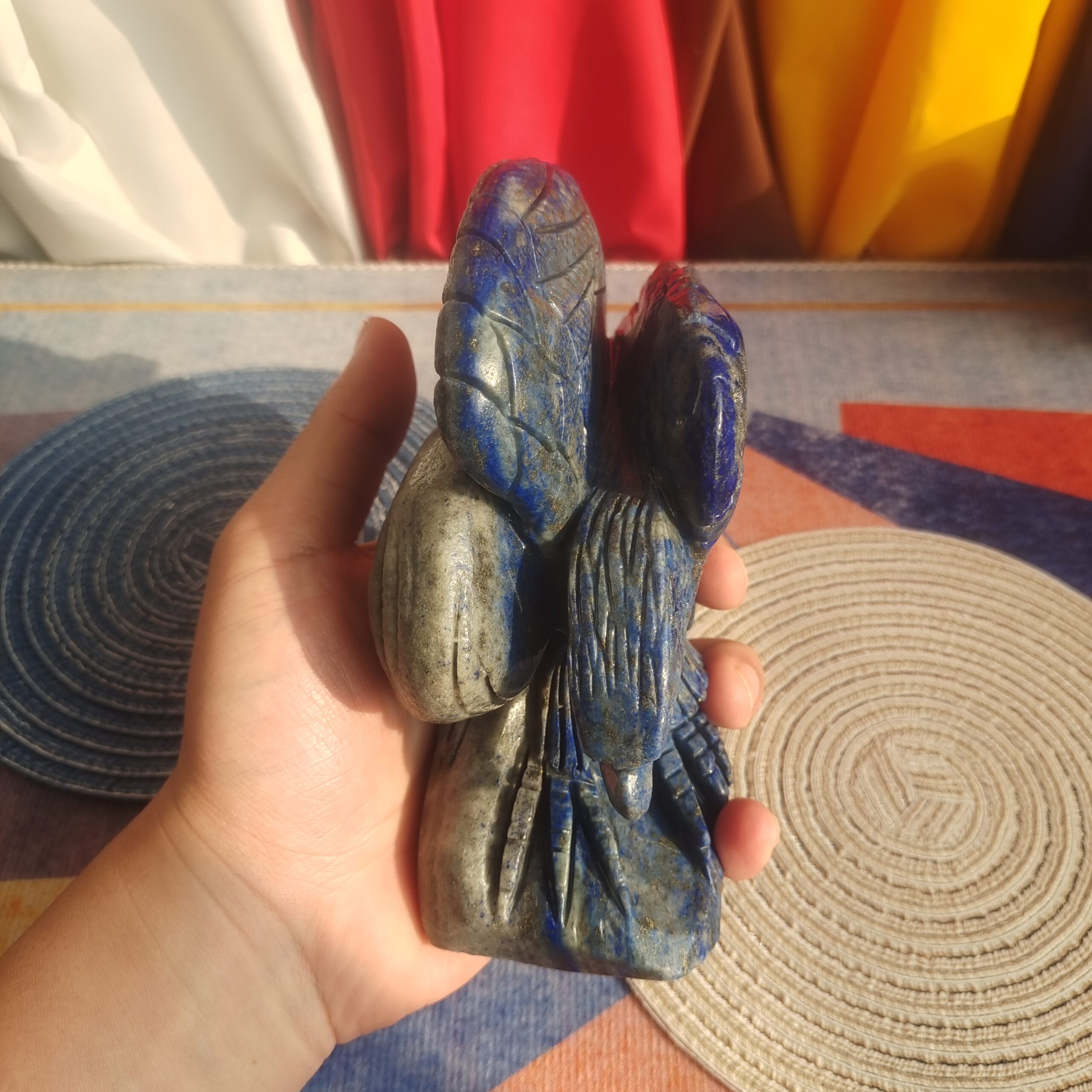
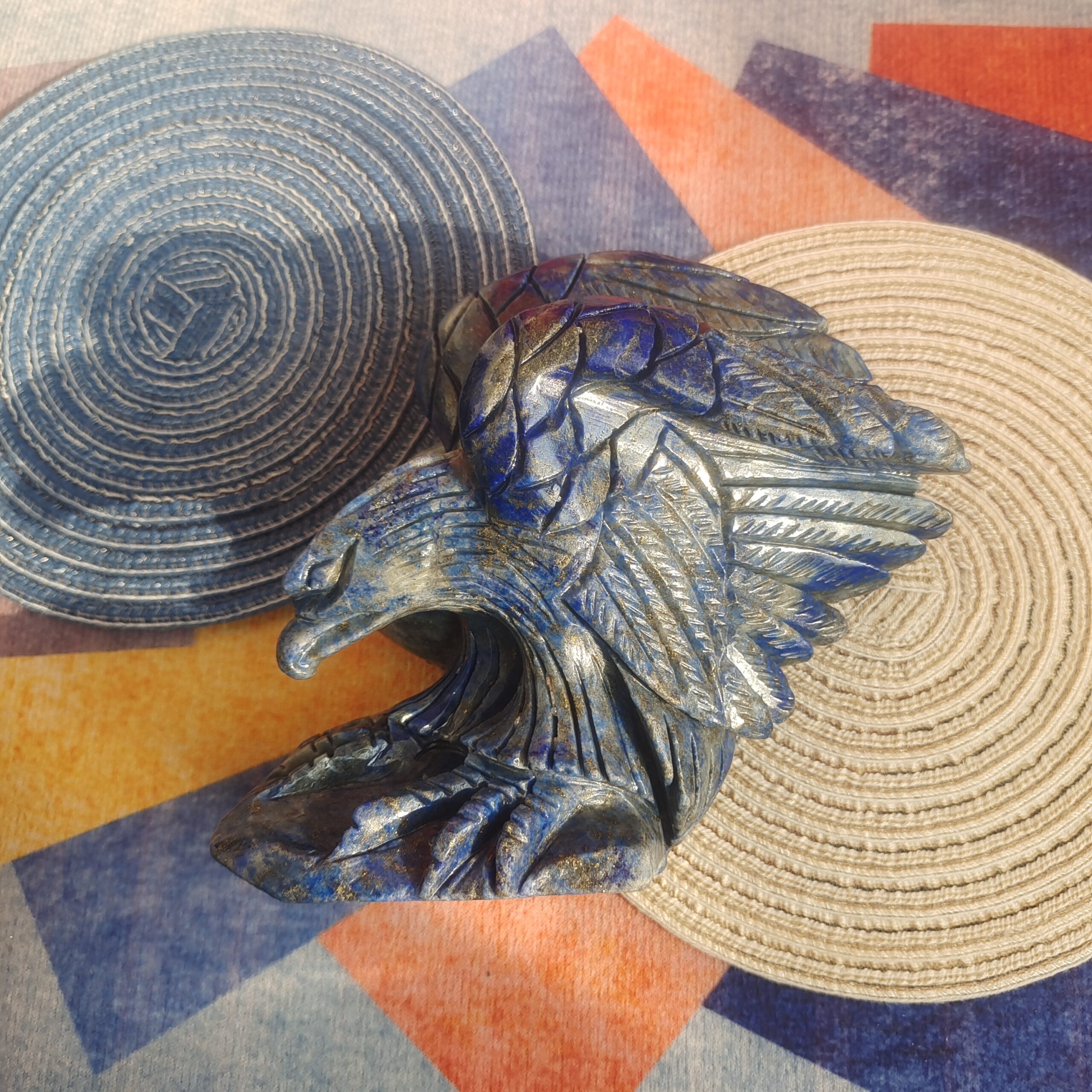
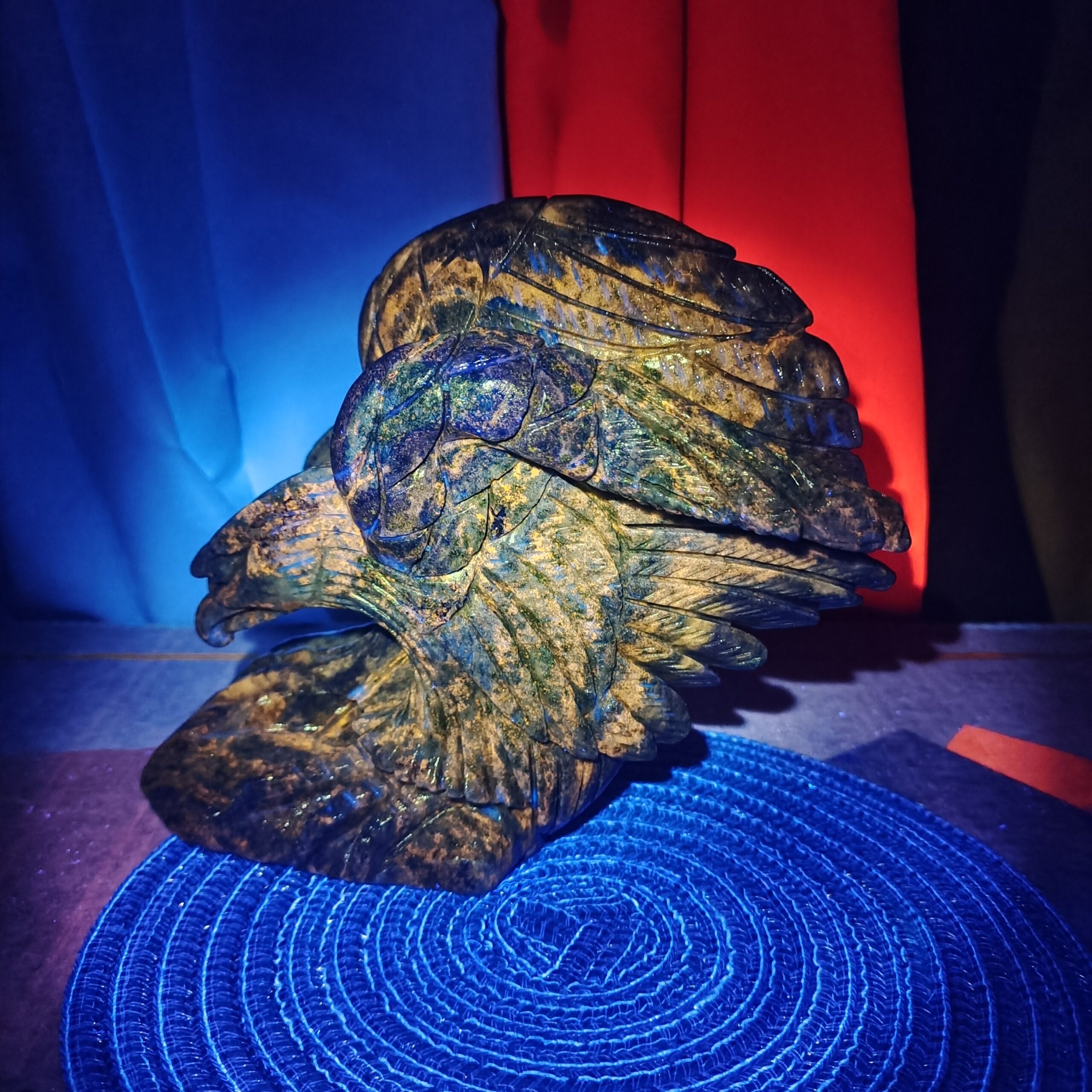
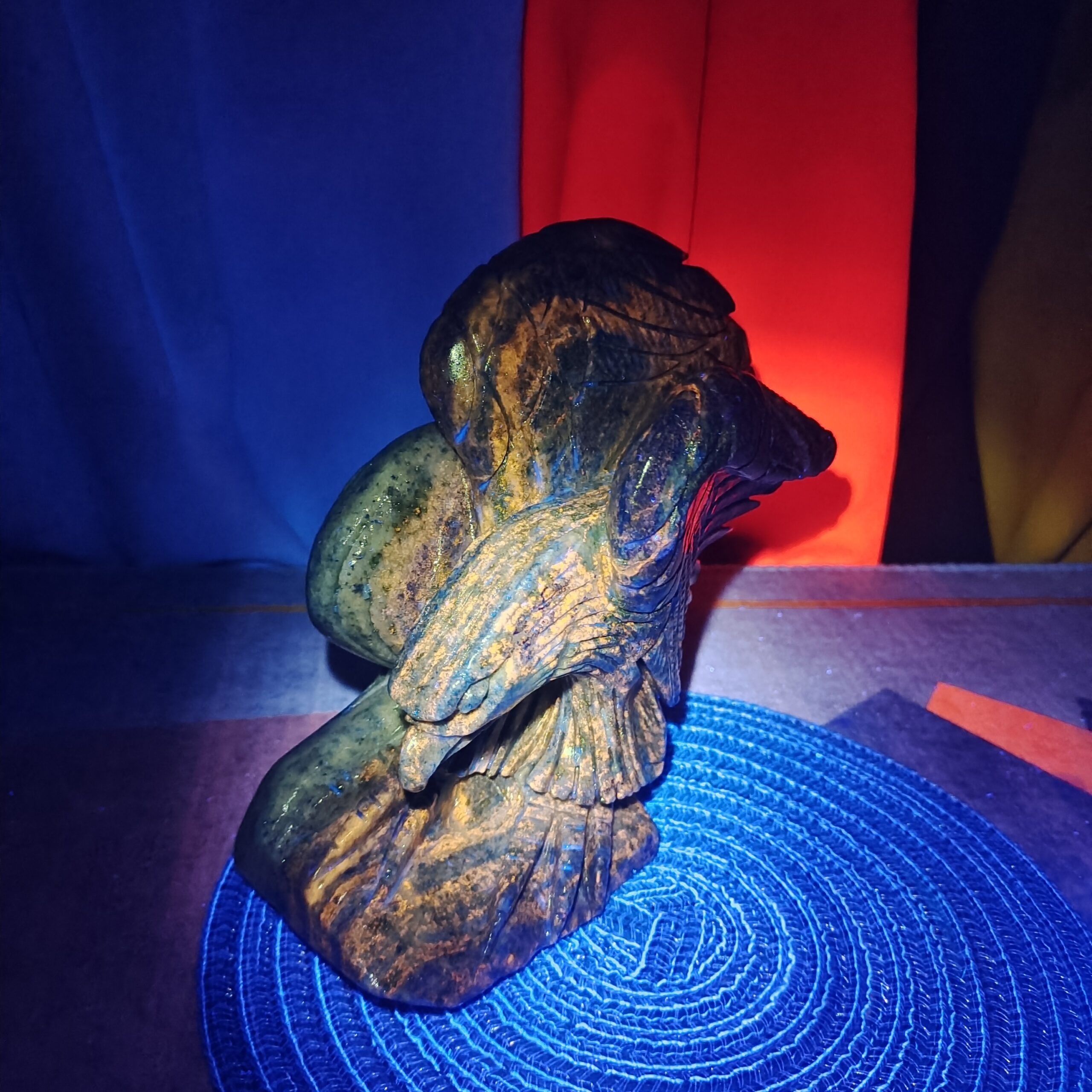
Lapis Lazuli (青金石)
Basic Information
- Etymology: The English name “Lapis Lazuli” derives from Latin lapis (meaning stone) and Persian lāžaward (the name of a historic region in Afghanistan, modern-day Badakhshan, famous for lapis lazuli, meaning blue). It’s also known as azure stone in English craft circles; ancient Chinese names include Jinbi, Diandai, or Biluli.
- Chemical Composition: Formula is (Na,Ca)₈(AlSiO₄)₆(SO₄,S,Cl)₁₋₂, a member of the sodalite group in framework silicate minerals.
- Crystal Characteristics: Isometric crystal system, crystal form is dodecahedron; aggregates are dense massive or granular structures.
Physical Properties
- Color: Deep blue, violet blue, sky blue, greenish blue, etc. White streaks appear with abundant calcite; golden yellow specks on blue background with pyrite.
- Luster: Vitreous luster.
- Transparency: Translucent to opaque.
- Hardness: 5–5.5 on the Mohs scale.
- Relative Density: 2.38–2.45.
- Cleavage & Fracture: Imperfect {110} cleavage; uneven fracture.
Grades Classification
- Top-grade Lapis Lazuli: Lapis lazuli mineral content >99%, no pyrite, pure, tough and fine texture, intense and uniform deep blue.
- High-grade Lapis: Mineral content 90%–95%, no white veins, sparse stippled pyrite and minor impurities, pure, dense texture with uniform color.
- Jingelang (Low-grade): Low mineral content, dense pyrite, significant white calcite streaks/spots, pale and uneven blue.
- Cuishengshi (Lowest grade): Minimal lapis lazuli mineral, generally no pyrite, high calcite content, only scattered blue dots or mixed blue-white mottling.
Formation & Major Origins
- Formation: A metamorphic rock formed by contact metasomatism, mainly occurring in silicate-magnesium skarn and calcareous skarn.
- Origins: Afghanistan (the most historic and premium source), Russia, Chile, Canada, etc. Afghanistan’s Badakhshan is renowned for the world’s finest lapis lazuli for thousands of years.
Historical & Cultural Significance
- As early as the 6th millennium BC, Afghan lapis lazuli was transported to Mesopotamia, Egypt and Greece via the Lapis Lazuli Route—one of the world’s earliest trade routes.
- In ancient India and Iran, it was a precious gem alongside turquoise and coral; in ancient Greece and Rome, wearing lapis lazuli was a symbol of wealth and status.
- It is one of the Seven Treasures of Buddhism in ancient China. Valued by emperors for its “sky-like blue hue”, it was used for the imperial court beads in the Qing Dynasty to worship the heaven (the highest ritual in ancient China).
Main Uses
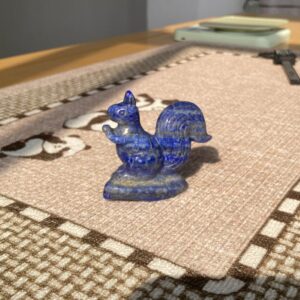
- Ornamental & Jewelry: Carved artworks (statues, prayer beads, cylinder seals), and jewelry (necklaces, bracelets, earrings, rings) due to its vivid blue color.
- Pigment: Ground into a fine powder, it becomes ultramarine—a prized natural blue pigment. Widely used in Renaissance oil paintings and murals (e.g., the Mogao Grottoes in Dunhuang, China), famous for its brilliant and fade-resistant hue.
评价
目前还没有评价